How to Create a Calm Minimalist Living Room for Modern City Life
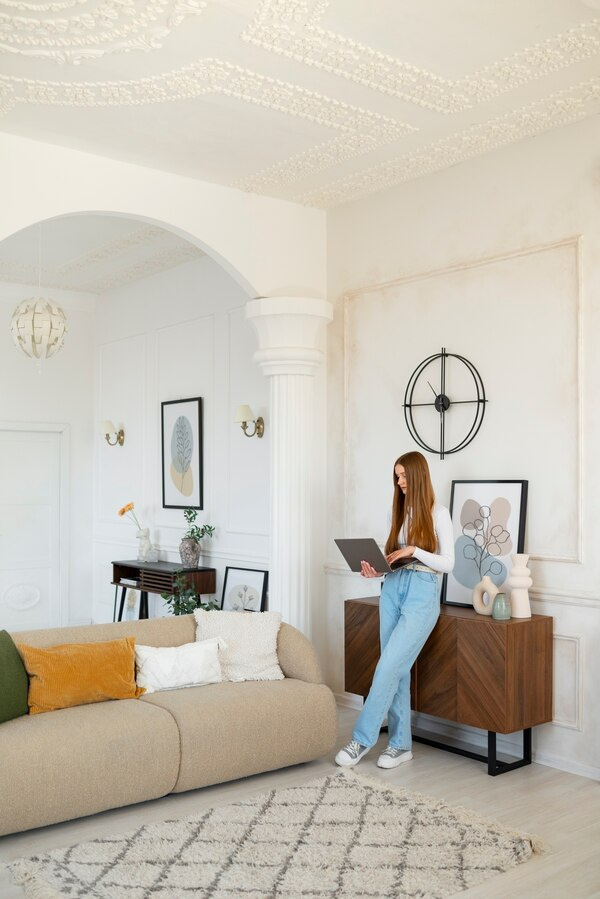
Creating a calm minimalist living room in a busy city is less about strict rules and more about intentional choices. The goal is to build a space that feels open, restful, and grounded—even if it’s small, rented, or surrounded by noise.
Below is a practical guide to designing that kind of room, step by step.
1. Start With Decluttering (But Do It Intelligently)
Minimalism begins with removing the non‑essential, not with buying new furniture.
- Empty the room in stages: Clear one zone at a time (sofa area, media area, shelves) instead of trying to do everything at once.
- Use the “city life” test: Ask of each item:
Does this support how I actually live in this apartment?
Keep what you use weekly or what has clear emotional value; let go of the rest. - Hide what must stay: Not everything can go—documents, cables, spare linens. Plan to store these out of sight (closed cabinets, under‑sofa storage, baskets with lids).
The fewer visual distractions, the calmer the room will feel, even if the square footage is tiny.
2. Choose a Soothing Color Palette
Color is one of your strongest tools for creating calm.
Base colors (walls, large furniture):
- Soft whites (warm, not blue)
- Light greys with a warm undertone
- Beige, stone, or greige
- Very pale taupe or mushroom tones
Accent colors (textiles, art, small objects):
- Desaturated blues, greens, or terracottas
- Charcoal or black in thin lines (frames, lamp bases) for definition
- Wood tones (oak, walnut, ash) to add warmth
Tips:
- Stick to 2–3 main colors and repeat them throughout the space.
- Avoid harsh contrasts; aim for gentle transitions between shades.
- In rentals where you can’t paint, use large neutral textiles: curtains, rugs, and a throw over the sofa can visually “repaint” the space.
3. Simplify Furniture: Fewer Pieces, Cleaner Lines
Minimalist doesn’t mean empty; it means only what you truly need, with simple forms.
Core pieces to focus on:
- Sofa: Choose a low‑profile, clean‑lined design in a neutral fabric. Avoid bulky arms, visible busy stitching, or overly plush styles.
- Coffee table: One simple shape—round, rectangular, or oval. Wood, glass with a slim frame, or a stone‑look top work well.
- Seating: If you need extra seats, use one armchair or a couple of light accent chairs or poufs rather than big additional sofas.
- Storage: A low media console or sideboard with doors (not open shelves) to hide electronics and clutter.
City‑friendly strategies:
- Prefer multi‑functional pieces:
- Storage ottomans
- Benches with built‑in storage
- Nesting tables that tuck away
- Keep leggy furniture where possible (sofas and chairs that stand on visible legs). Seeing more floor area makes small rooms feel larger.
- Avoid sets. Mixing two or three coordinated pieces feels less heavy than a full matching living room suite.
4. Plan the Layout Around Calm, Not the Television
In city living rooms, the TV often dominates by default. A calm minimalist layout shifts attention toward comfort and conversation.
Anchoring the room:
- Place the sofa against the longest wall or centrally if the room allows, leaving clear circulation space.
- Align seating to create a gentle U or L‑shape, encouraging face‑to‑face interaction instead of everyone staring in one direction.
- If you have a TV, treat it as one element among many, not the altar:
- Mount it on the wall and keep the console below simple.
- Avoid extra electronic items on display; hide boxes and cables.
Flow and breathing room:
- Leave visible floor space around furniture; resist the temptation to fill every corner.
- Keep main walkways clear: from door to window, and from living area to kitchen or hallway.
- In a studio, use the sofa or an open bookcase as a subtle room divider instead of full partitions or heavy screens.
5. Use Light Thoughtfully
Light has a strong impact on how calm or stressed a room feels, especially in dense urban environments.
Natural light:
- Use sheer or light‑filtering curtains instead of heavy drapes during the day to keep daylight soft but present.
- Keep window sills relatively clear; a couple of plants or a lamp are enough.
- If privacy is an issue, consider top‑down, bottom‑up shades or double layers (sheer + blackout).
Artificial light: Think in layers rather than relying on one overhead fixture.
- Ambient light: A ceiling fixture or track lighting with warm, diffused light.
- Task light: A floor lamp by the sofa for reading; a table lamp on a side table.
- Accent light: A small lamp on a cabinet, a wall sconce, or LED strip behind a shelf to soften dark corners.
Use warm color temperature bulbs (around 2700K–3000K) to avoid a harsh, office‑like feel.
6. Edit Your Decor: Less, but More Intentional
Decoration in a calm minimalist room is about a few meaningful elements, not empty surfaces or maximal displays.
On surfaces (coffee table, console, side tables):
- Keep most surfaces largely empty.
- Choose one to three items per surface, such as:
- A simple vase with branches or one type of flower
- A tray with a candle and a small object
- A stack of 1–2 books with a single sculptural item on top
On the walls:
- Use 1–3 larger art pieces instead of many small frames.
- Stick to simple frames in black, white, or natural wood.
- Choose calming imagery: abstract forms, landscapes, or monochrome photography.
Textiles:
- Limit patterns; prefer solid colors or very subtle weaves.
- Use fewer cushions, but of higher quality and in complementary shades (for example, 2–4 well‑chosen pillows instead of a pile).
7. Bring in Nature in Simple Ways
Natural elements soften minimalism and make it feel inviting instead of sterile.
- Plants: Choose a few easy‑care plants instead of many small ones.
- Examples: snake plant, ZZ plant, rubber plant, pothos.
- Place them where they fill visual gaps (corners, beside media unit, near windows).
- Natural materials:
- Wood (furniture, picture frames, bowls)
- Stone or ceramic (vases, trays)
- Natural fibers (wool, linen, cotton, jute)
One or two plants and a few natural textures can dramatically increase the sense of calm.
8. Manage Noise and Visual Chaos From Outside
City life means sirens, traffic, and neighbors. A minimalist room can help buffer that without becoming overly padded.
- Textiles absorb sound:
- A large rug, even on top of existing flooring.
- Curtains in thicker fabrics for evening.
- Cushions and throws in soft materials.
- Soft close storage:
- Drawers and cabinets that shut quietly add to the overall feeling of calm.
- Cable control:
- Use cable boxes, clips, and ties to keep wires hidden.
- Mount power strips under the media unit or behind furniture.
These small details reduce constant micro‑irritations and contribute to a more peaceful atmosphere.
9. Create a Single, Clear “Calm Ritual” Zone
Choose one spot in the living room to prioritize as a daily retreat area, then design around that.
Ideas:
- A corner by the window with:
- A comfortable chair or floor cushions
- A small side table for a book and drink
- A soft lamp or string light
- The end of the sofa nearest natural light, with:
- A reading lamp
- A dedicated throw blanket
- A single shelf or basket for current books and magazines
Keep this area strictly free from clutter—no mail pile, no random storage. It becomes your visual and mental anchor in the room.
10. Maintain the Minimalist Calm With Simple Habits
Design is half the work; everyday habits keep the room feeling minimal.
- 5‑minute reset rule: At the end of the day, spend 5 minutes returning items to their “homes” (blankets folded, remotes in a tray, cups to the kitchen).
- One in, one out: When you bring in a new decorative object, book, or accessory, remove one existing item.
- Surface check: Keep the coffee table and sofa clear as a default. When they’re tidy, the entire room feels under control.
Consistency matters more than perfection. A lived‑in minimalist space can handle a bit of life—books, a laptop, a half‑finished cup of tea—as long as everything has a place to return to.
11. Adapting Minimalism to Your Personal Style
Minimalism isn’t a single fixed look. You can customize it to suit who you are.
- Warm minimalist: More wood, warm neutrals, linen, and cosy textures.
- Modern minimalist: Clean lines, a bit more contrast (black and white), metal accents.
- Soft urban minimalist: Neutral base with small touches of color, art, and city‑inspired photography.
The key is restraint: choose intentionally and repeat your decisions through the room instead of constantly adding new, disconnected pieces.
By decluttering intelligently, limiting your palette, choosing simple multifunctional furniture, and using light, nature, and a few calm rituals, you can create a minimalist living room that feels like a sanctuary in the middle of modern city life. It doesn’t have to be perfect or expensive; it only needs to be deliberate, edited, and aligned with how you actually live.